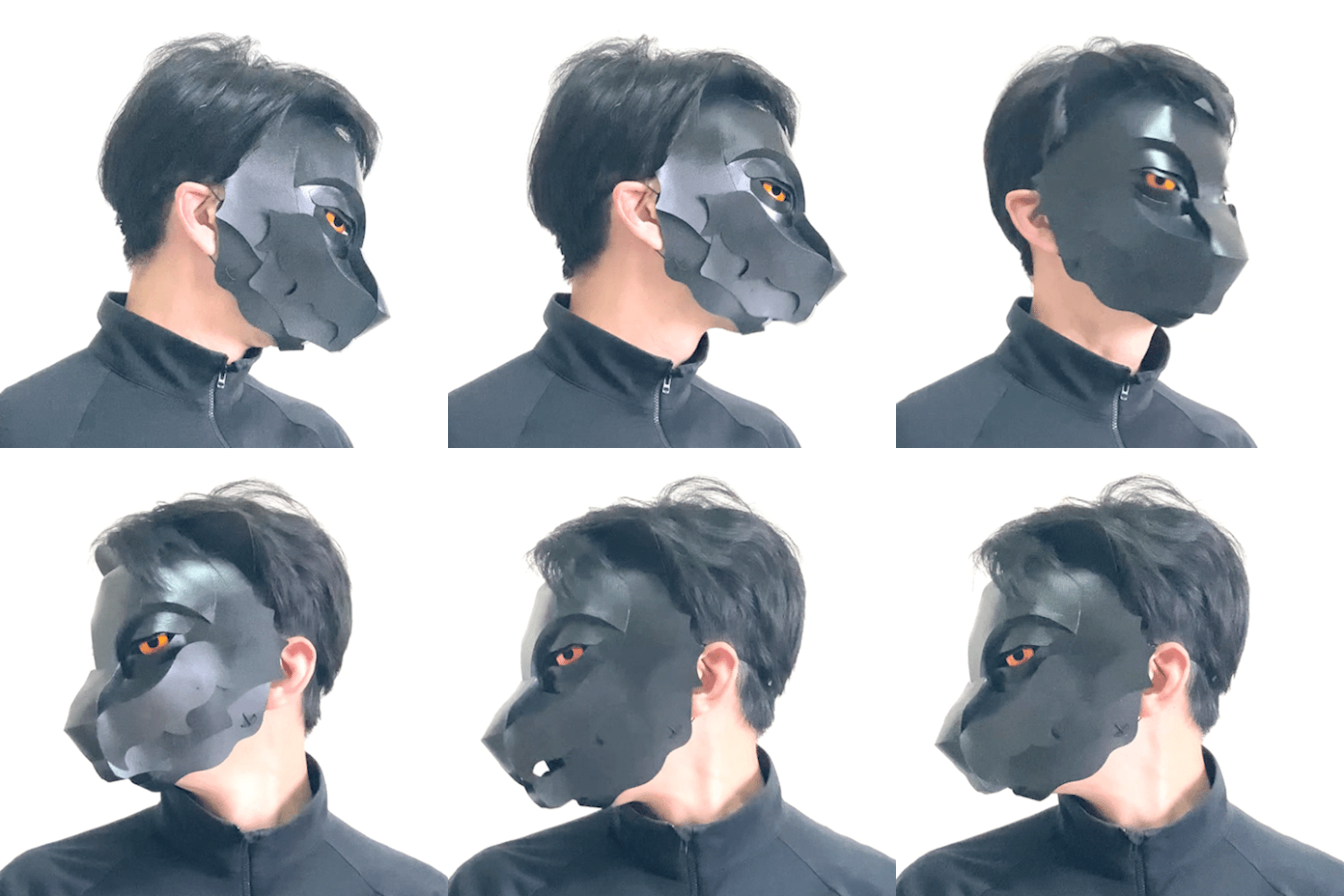
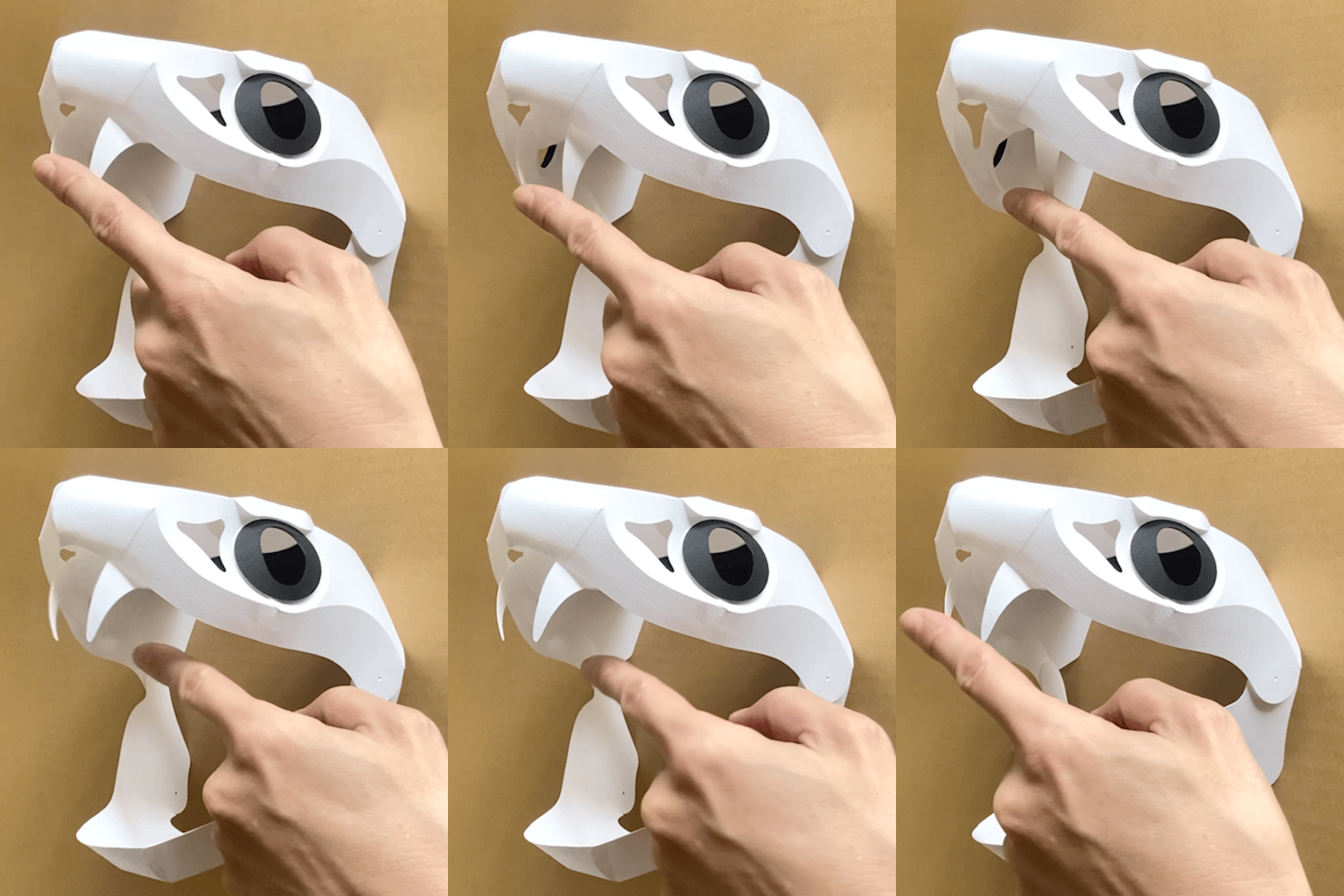
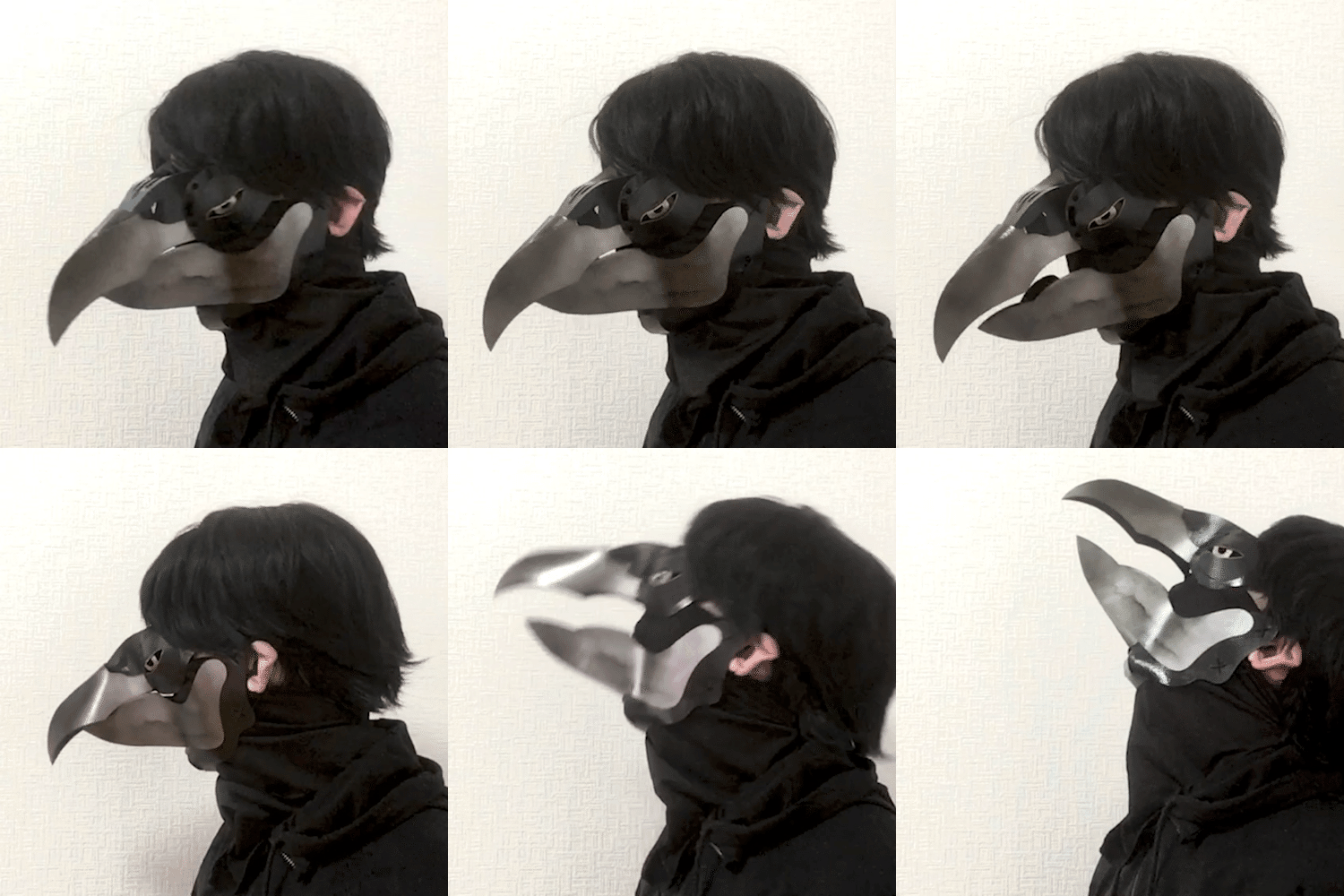
What's Inside a Hayashi Takeo Papercraft Mask Kit
A Hayashi Takeo papercraft mask kit includes pre-cut, pre-scored paper parts printed with a numbered assembly guide, so you do not need scissors to cut the pieces out. What you typically need to supply yourself is glue (a standard craft or paper glue works) and, depending on the design, basic tools like a bone folder or a blunt tool for scoring folds. Below is a closer look at what comes in the box and what you should have ready on your workbench before you start.

What is included in the kit?
Each kit is built around a single design by paper-craft artist Hayashi Takeo, and the box contains everything related to the paper itself:
- Pre-cut, pre-scored paper panels — the pieces are already die-cut to shape, so no cutting is required
- A printed or included assembly guide showing the order in which panels fold and connect
- Numbering or matching marks on the panels to help you identify which edge joins which
Because the panels arrive already cut and scored, the kit is designed so the main task is folding and gluing rather than cutting. This is part of why these kits work well for people who want a precise, sculptural result without needing to handle a craft knife or template tracing.
Do I need scissors for a papercraft mask kit?
No. The paper panels are pre-cut at the factory, so scissors are not part of the process for separating pieces. You may find it useful to have a small pair on hand for trimming a stray fiber or tidying a glue edge, but it is not a required tool the way it would be for a kit that ships as flat, uncut sheets.
Do I need to supply my own glue?
Yes. Glue is generally not included in the box, since the right adhesive can depend on personal preference and on how much working time you want before the glue sets. A standard paper or craft glue is enough for most builds. Some people prefer a glue stick for speed on smaller tabs and a liquid craft glue for larger seams where a firmer bond is needed. Whichever you choose, it helps to apply it sparingly — too much glue can warp thin paper or seep out at the seams and show once the mask is assembled.

What other tools are worth having ready?
Beyond glue, a few simple tools make assembly smoother, even though the panels are already scored:
- A bone folder or the back of a butter knife, for sharpening each fold line so the mask holds its shape
- Clothespins or small clips, to hold glued seams together while they dry
- A clean, flat surface, since some panels need to rest and cure before the next section is attached
None of these are supplied in the kit itself, but they are common household items rather than specialty equipment.
How long does assembly take?
Assembly time varies by design and by how much care you put into each fold and seam, since some masks have more panels or three-dimensional detail than others. If you plan to paint or finish the mask afterward, it is worth budgeting separate time for that stage, which is covered in more detail in our guide on how to paint and finish a paper mask kit if you are looking for a related read — but note that painting is a separate step from the raw assembly described here.
Which kits are available?
Our current range of Hayashi Takeo papercraft designs can be browsed in the paper craft kit collection, where each listing shows the finished mask so you can judge the complexity of the panel work before ordering. If you are deciding between a papercraft kit and a different type of mask — for example a ready-made kitsune mask — our broader overview of Japanese mask types, history, and meaning can help clarify what each format is best suited for.

FAQ
Does the kit include paint or brushes?
No, the kit is focused on the paper panels, guide, and cutting/scoring work already done for you. Paint and brushes are not included, since many buyers prefer to leave the natural paper finish unpainted or choose their own colors and materials for finishing.
Can I substitute a glue stick for liquid glue?
Yes, a glue stick can work for smaller tabs and quick joins, though a liquid craft glue often gives a firmer, longer-lasting bond on larger seams. Many builders use both — a glue stick for speed and liquid glue for structural joins.
Is any cutting required at all during assembly?
Generally no. The panels are die-cut before packing, so the main hands-on work is folding along the pre-scored lines and gluing the tabs together in the order shown in the assembly guide.