Papercraft Cosplay Mask Kits: No 3D Printer Needed
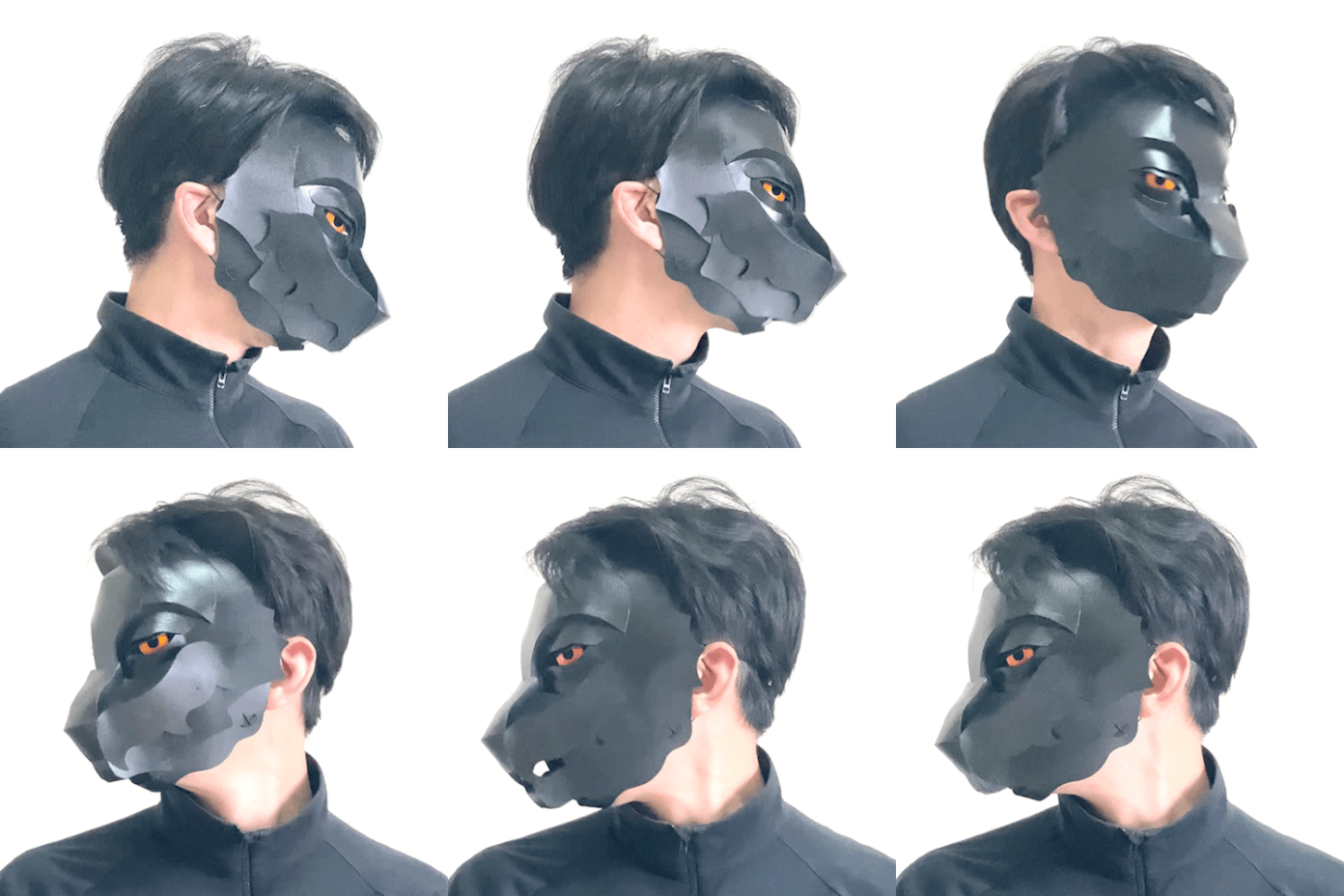
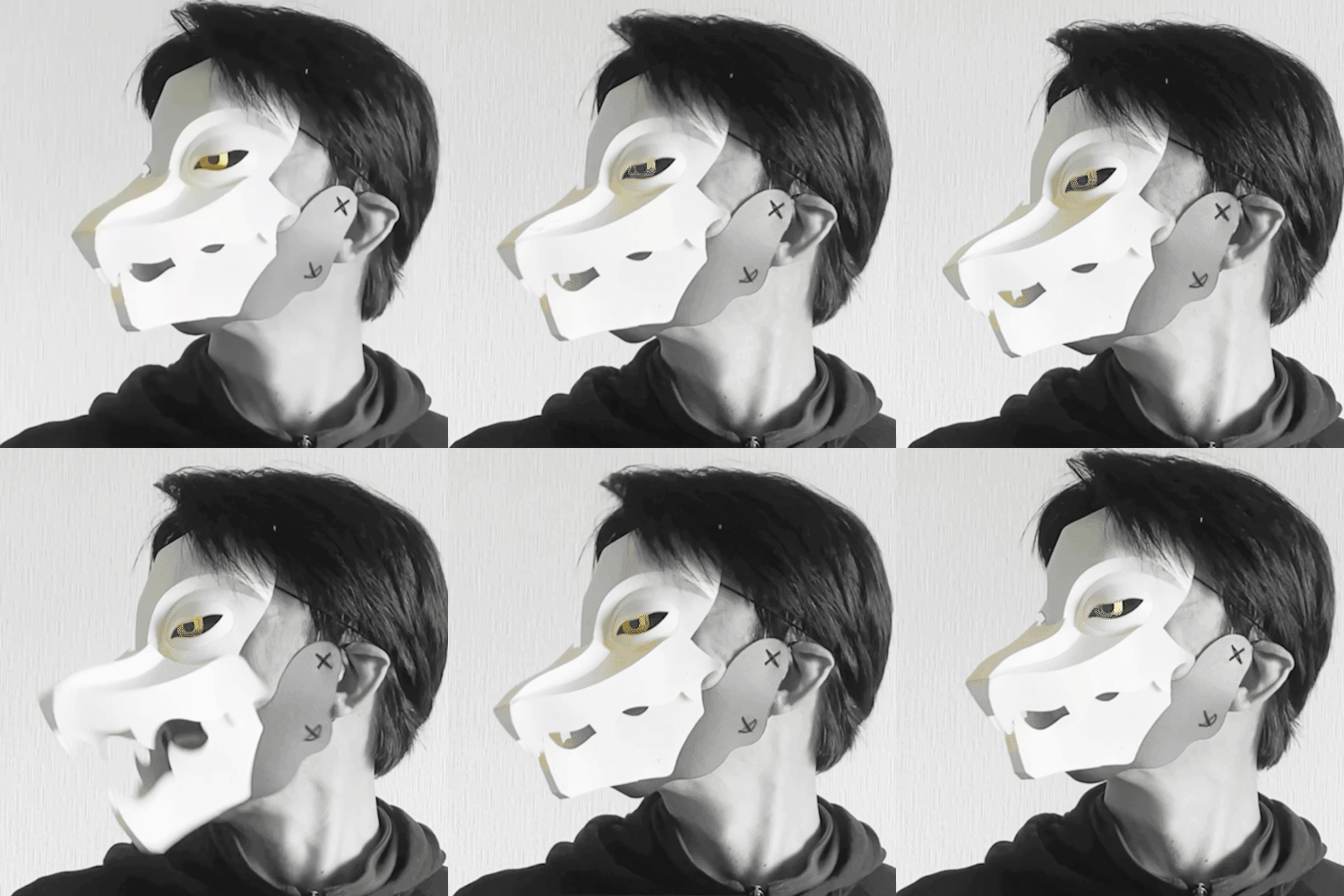
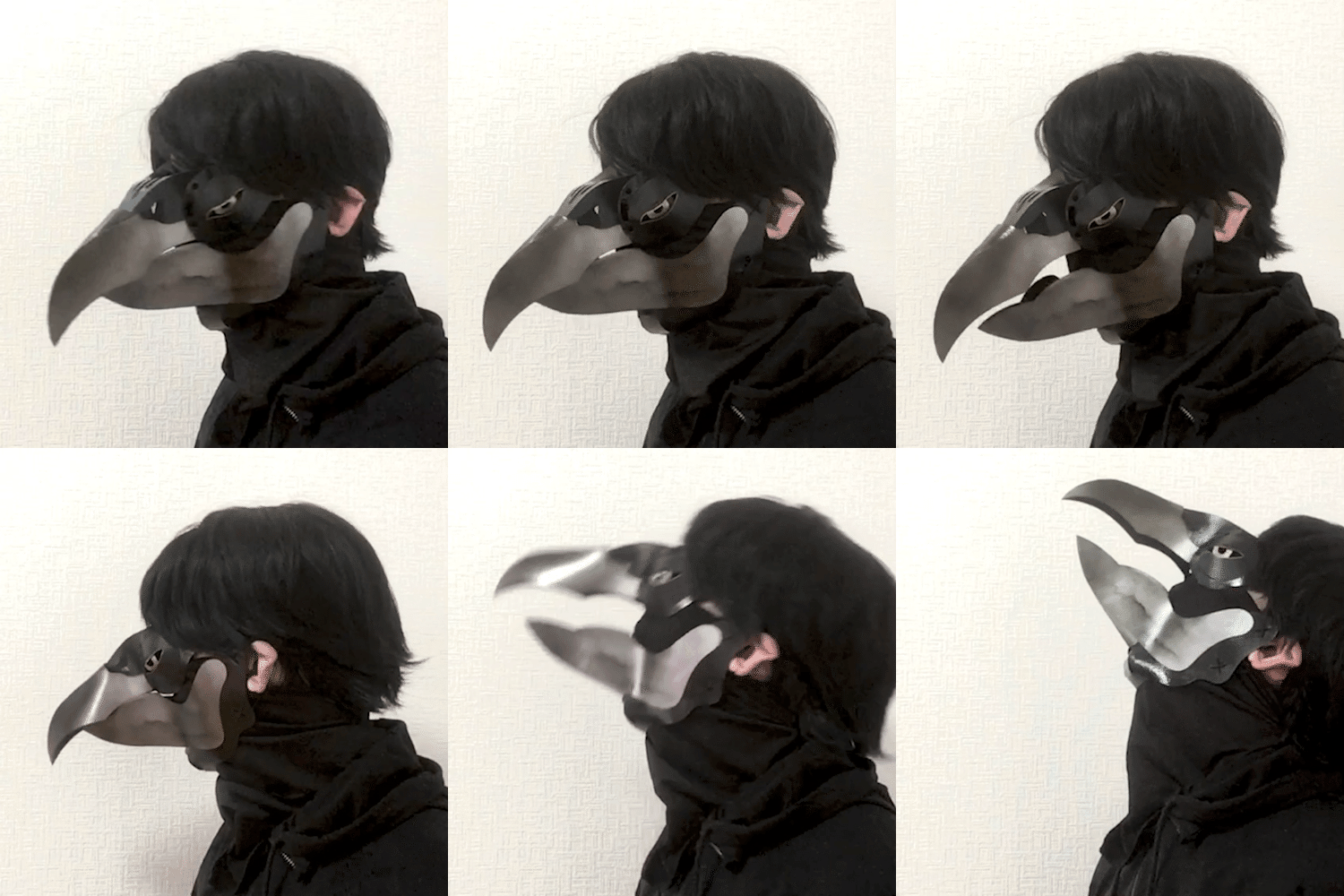
A paper craft mask kit is a practical way to build a wearable, display-quality cosplay mask without owning a 3D printer or resin setup. The kit provides pre-scored, pre-cut card stock panels that fold and glue into a low-poly face form; once assembled and finished with paint, it holds its shape, sits comfortably on the head, and travels well for conventions. Compared with a cardboard build, a proper papercraft kit gives cleaner geometry, a lighter finished weight, and a more accurate fit, because the pattern has already been engineered for a human head rather than improvised from a flat sheet.

Why choose papercraft over a 3D printer for cosplay?
3D printing produces sharp, symmetrical results, but it requires a printer, slicing software, sanding, and often hours of print time per panel, followed by more hours of post-processing to remove layer lines. A paper craft mask kit skips the hardware entirely. You need scissors or a craft knife, glue, and a few evenings of assembly. The low-poly aesthetic that papercraft naturally produces has also become a recognizable style in its own right, closely associated with folded animal, oni, and fantasy character faces rather than an imitation of a printed object. For cosplayers who want a distinctive, faceted look rather than a smooth resin finish, papercraft is not a compromise -- it is a different, deliberate visual style.
Cardboard vs papercraft cosplay mask: what's the real difference?
Plain cardboard is cheap and available everywhere, but it was never designed to curve around a face. Building a mask from scratch out of cardboard means guessing at panel shapes, which usually results in a boxy fit, visible gaps at the seams, and a surface that is hard to paint evenly because corrugated board absorbs paint unevenly and softens if it gets damp. A dedicated papercraft kit uses stiffer, uniform card stock cut to a pattern that has already been tested for facial proportions, so the panels meet cleanly and the finished shape reads as a face rather than a box. The trade-offs to weigh:
- Fit: kit patterns are designed around head geometry; raw cardboard requires trial and error.
- Finish: card stock takes paint and sealant more predictably than corrugated cardboard.
- Durability: both are paper-based and should be kept away from rain, but a glued card stock shell generally holds its shape better over a convention weekend.
- Cost and tools: cardboard is essentially free; a kit costs more but saves the time spent designing a pattern from nothing.
For a first cosplay mask, or for anyone who has tried a cardboard build and found the fit disappointing, a kit is usually the faster path to something wearable.

Is a paper mask actually comfortable to wear?
Comfort depends mostly on weight and ventilation, and paper does well on both counts. A finished card stock mask is significantly lighter than resin or plaster, which matters over several hours of walking a convention floor. Most kits are designed with eye openings sized for actual vision, and builders can add foam padding or an elastic strap system on the inside without affecting the outside geometry. Because the shell is rigid once glued and sealed, it keeps its shape under normal wear, unlike a soft fabric mask. The main precaution is moisture -- paper softens if it gets wet, so a papercraft mask is best treated as an indoor or dry-weather piece.
What does a papercraft kit include, and how long does assembly take?
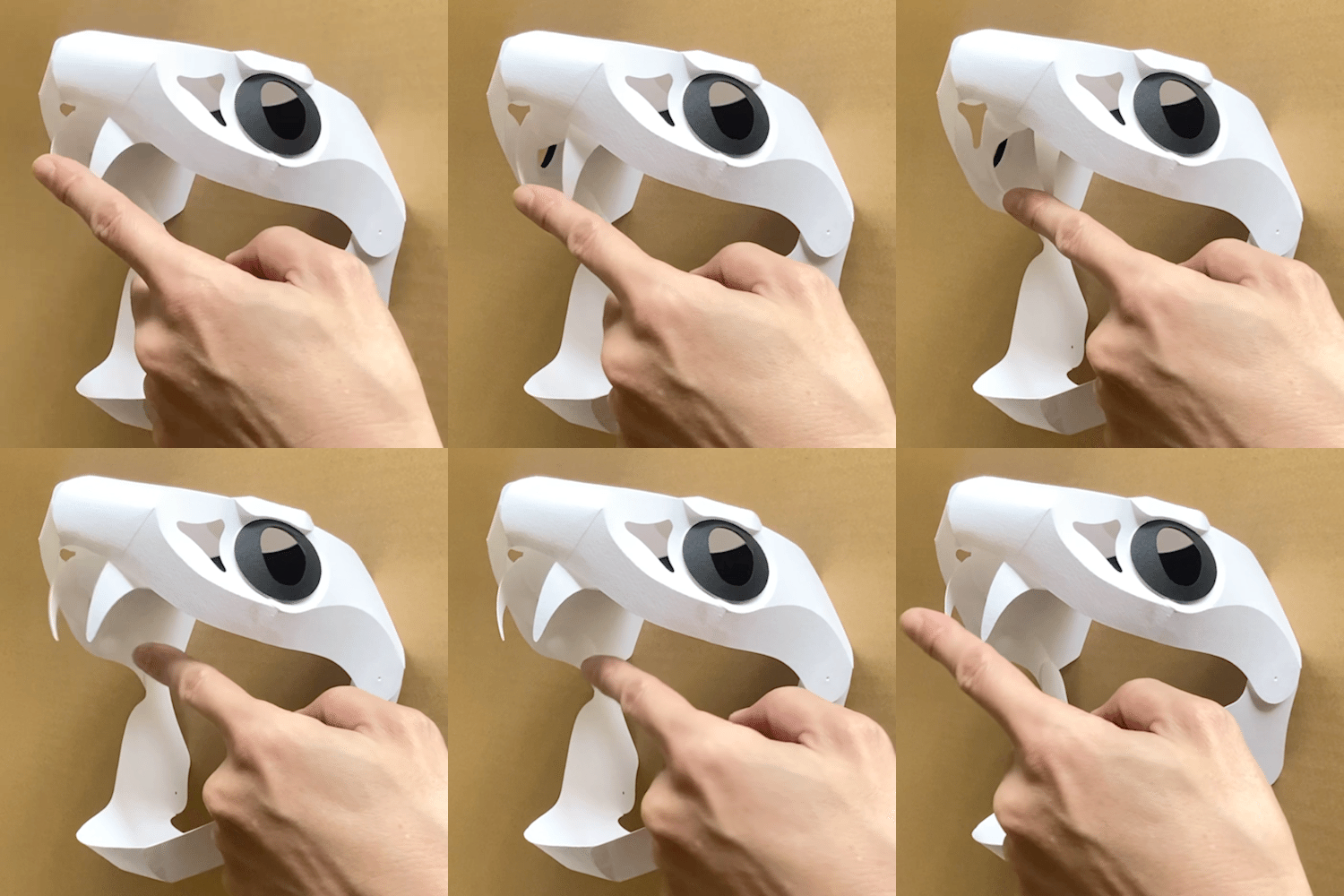
A typical kit ships as a set of numbered card stock sheets with fold lines and cut lines already marked, along with an assembly guide showing which edges join to which. Building it is a matter of cutting out each panel, scoring the fold lines, and gluing tabs in sequence from the guide, working from the smallest facial features outward to the larger shell. Once assembled, the surface is ready for gesso, paint, and a sealant coat, the same finishing process described in our guide to painting a paper mask kit. Assembly time varies with the complexity of the design and how much care goes into the folds, but it is realistic to plan for several sessions rather than a single afternoon, especially for designs with articulated or layered features.
The papercraft masks carried by Kamenya Omote are designed by paper-craft artist Hayashi Takeo, whose low-poly patterns cover oni, animal, and original character faces. Because the patterns are engineered specifically for these designs, the fit and proportions are more consistent than a pattern improvised from a flat sheet of cardboard. Readers who want to compare this technique against other Japanese mask-making traditions, including lacquered wood Noh-style masks and the habutae-bari technique, can find an overview in our complete guide to Japanese mask types. The current range of paper craft mask kits includes several character and animal designs suited to cosplay use.

FAQ
Can a papercraft mask kit be worn for a full convention day?
Yes, as long as it stays dry. The shell is lightweight and, once sealed with paint and a protective coat, holds its shape through normal indoor wear. Builders typically add their own padding or strap system on the inside for a secure, comfortable fit.
Do I need any special tools to assemble a kit?
No specialized equipment is required. A craft knife or scissors, a bone folder or similar tool for scoring clean folds, and paper glue are enough to complete assembly. Painting supplies are separate and depend on the finish you want.
Is a papercraft kit better than starting from raw cardboard?
For most builders, yes. A kit's panels are already patterned to fit a head and align cleanly at the seams, which saves the trial and error involved in designing a cardboard mask from scratch and usually produces a better fit and finish. Questions about specific kits can also be sent through our FAQ page.