Articulated-Jaw Paper Masks: How a Moving Beak or Mouth Works
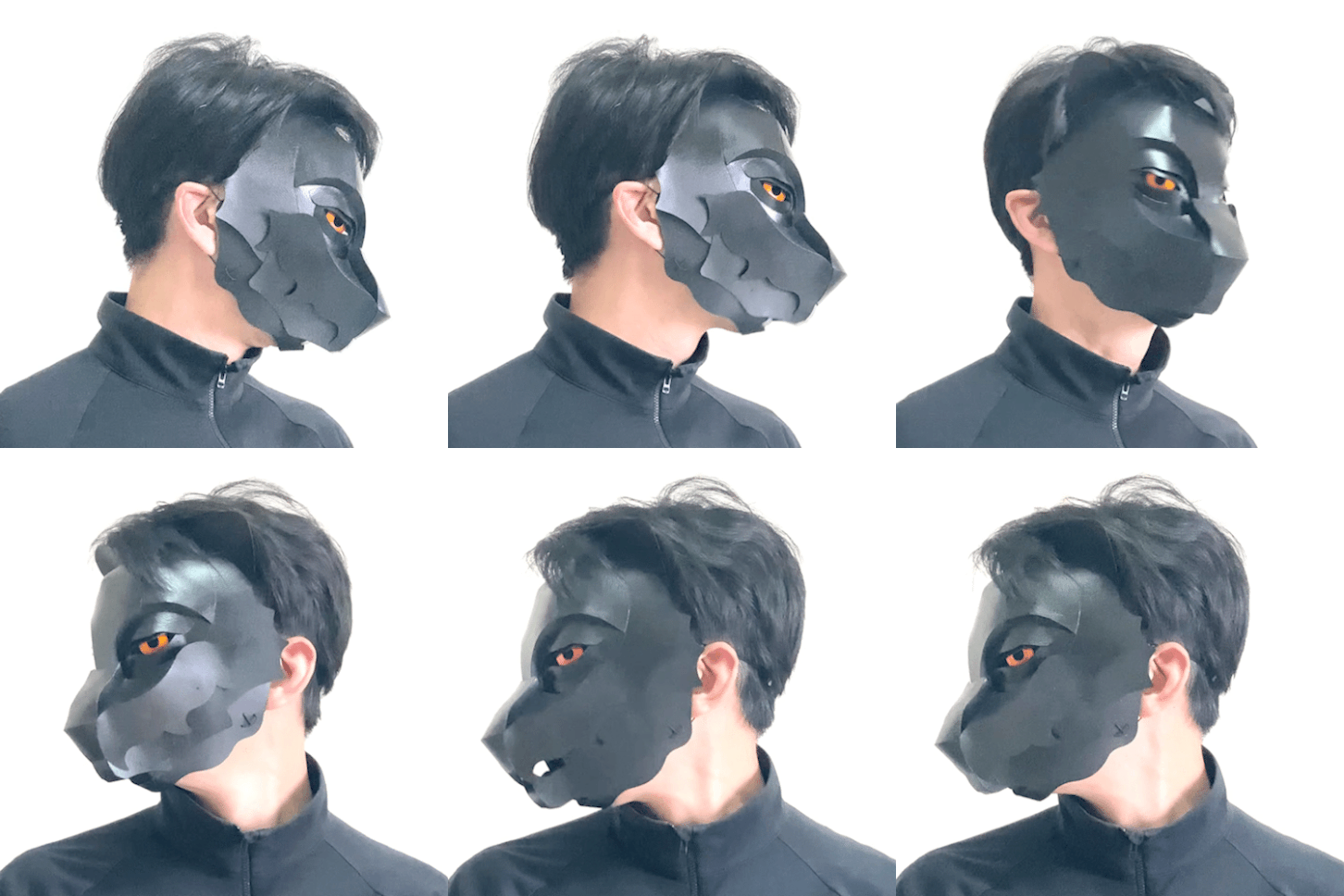
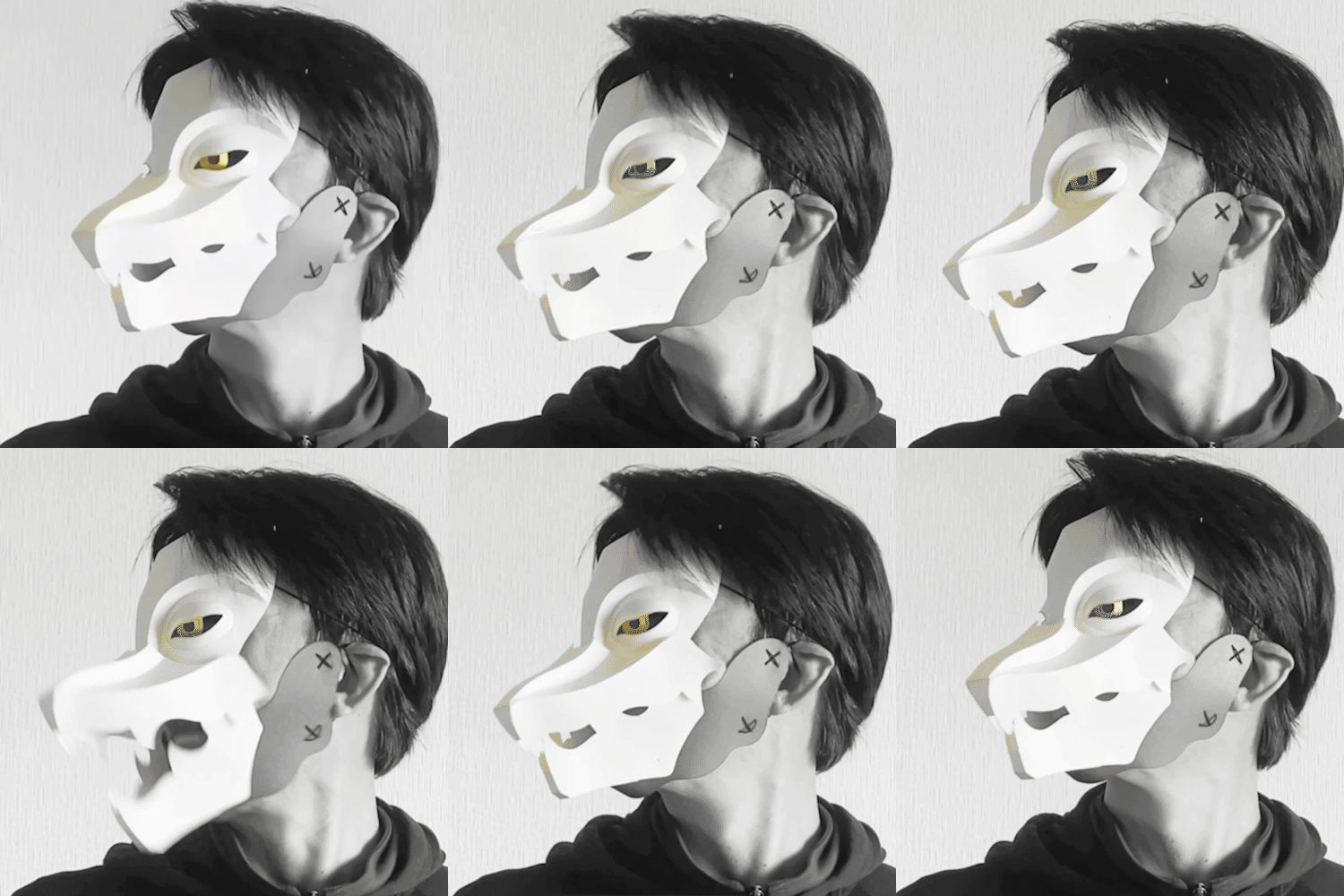
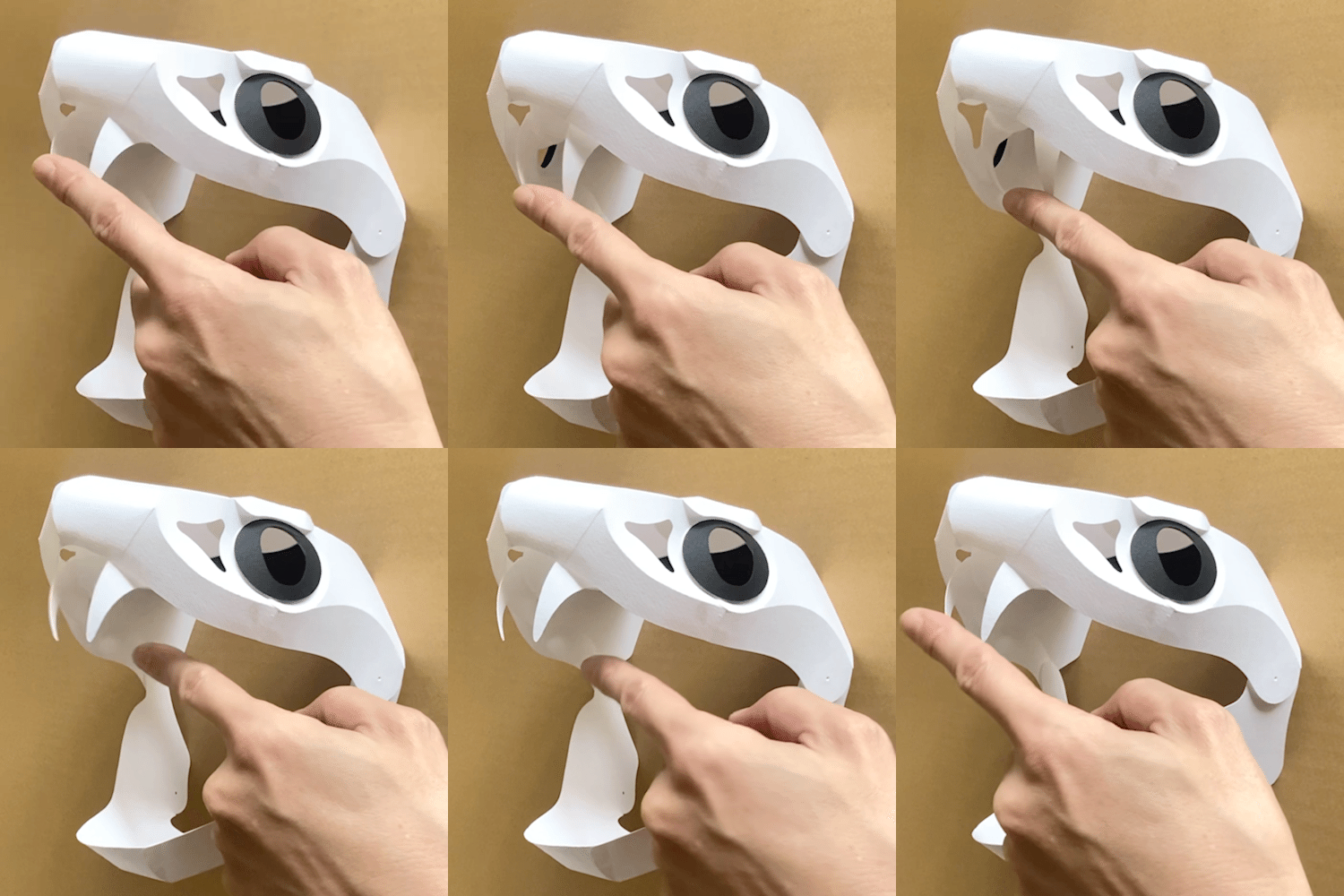
An articulated jaw or beak on a paper craft mask works through a simple hinge mechanism: the lower jaw (or lower half of a beak) is cut as a separate piece from the fixed upper section, then joined at a pivot point near the hinge of a real jaw -- roughly where the mask's cheekbone meets the ear. A cord, elastic, or direct finger pressure from inside moves the lower piece, while the folded paper geometry itself provides the spring tension that returns it to a closed position. The mechanism is mechanically simple, but getting it to move cleanly depends on precise cut lines and fold allowances that are built into the pattern before the mask is ever assembled.

What makes a paper jaw move at all?
Paper craft masks are built from a single flat pattern that is scored, folded, and glued into a three-dimensional form. For a fixed mask, every fold locks into its neighbor and the whole structure holds its shape rigidly. An articulated version interrupts that structure at one seam: instead of gluing the lower jaw or beak permanently to the upper face, the pattern leaves that seam open and reinforces it with a hinge point, usually a small tab of card, a brass paper fastener, or a short loop of cord threaded through reinforced holes.
Because the rest of the mask is still fully folded and rigid, the jaw piece keeps its own shape when it swings -- it does not sag or crumple the way a single sheet of paper would. This is why the technique only works well once the designer has already worked out how the folds distribute tension across the whole face; an articulated section added carelessly to a pattern not designed for it will usually tear along the hinge within a few uses.
Where does the hinge point actually go?
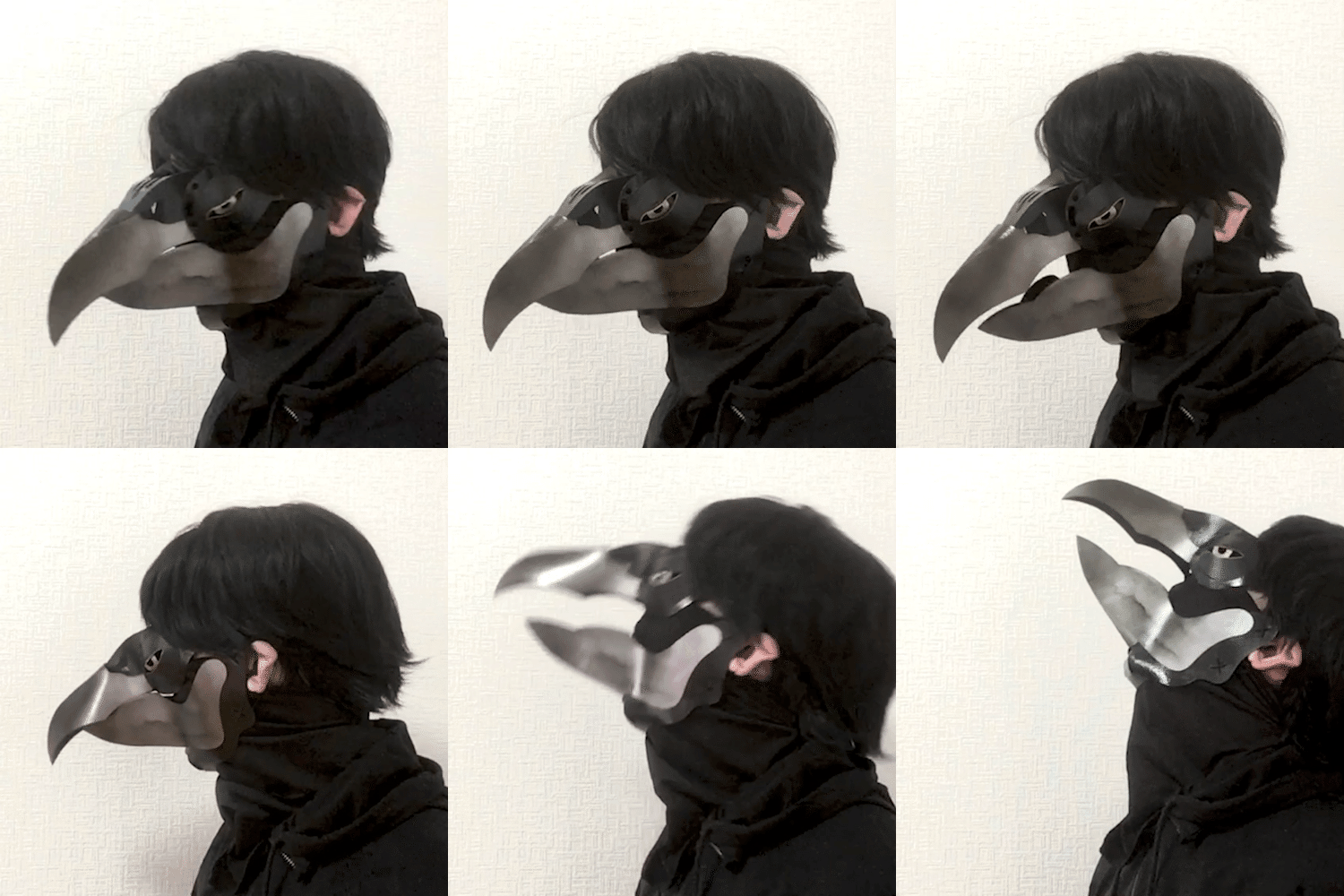
Placement matters more than most people expect. If the pivot sits too far forward, near the chin, the jaw swings in an arc that looks unnatural and the mouth opening distorts sideways rather than dropping down. If it sits too far back, the movement looks stiff and the range of motion is very limited. Most working designs place the hinge close to where a human jaw actually pivots, just below and in front of the ear line, even on masks depicting animals or spirits rather than realistic human faces. For beaked designs -- long-nosed tengu-style masks are a common example -- the same logic applies to the point where the upper and lower beak sections separate, which is set back near the base of the nose rather than at the very tip.
How is the movement controlled from inside?
There are two common approaches. The first is a direct-contact method: the wearer's own jaw pushes against an inner tab connected to the mask's lower section, so the mask's mouth opens and closes in rough sync with the wearer's own speech or chewing motion. The second is a cord-operated method, where a string runs from the lower jaw piece to a point the wearer can pull with a finger or by tilting the head, useful when the mask sits further away from the face or when the design calls for a larger, more deliberate snapping motion rather than natural speech movement. Neither method requires anything beyond paper, a fastener point, and in some designs a length of cord -- no separate mechanical hardware is needed for the hinge itself to function.

Does an articulated jaw make the mask more fragile?
The hinge point is the single weakest spot on an articulated design, simply because it is the one place where the paper is not continuously folded and glued. Reinforcement at that seam -- doubled card, a wider tab, or a fastener that distributes pressure over a larger area rather than a single small hole -- is what determines how many times the jaw can open and close before the paper fatigues. This is a design detail worked out at the pattern stage rather than something a builder can easily add afterward, which is one reason articulated designs are less common among simple beginner kits and more often associated with more advanced patterns.
Readers assembling a kit themselves can find general guidance on handling folds and finishing in the shop's other articles; for background on the artist behind these paper designs and the broader tradition they draw from, see the complete guide to Japanese masks. The paper craft masks sold by KAMENYA OMOTE are the work of paper-craft artist Hayashi Takeo, and the current lineup of kits, including designs with moving parts, can be browsed in the paper craft kit collection.
Is an articulated jaw purely decorative or does it change how the mask is worn?
It changes both the look and the handling. A fixed paper mask can be worn passively, with the wearer's own mouth hidden behind a static surface. An articulated version turns the mask into something closer to a small puppet mechanism worn on the face -- useful for performance, photography, or display pieces where a visible mouth movement adds to the character, whether that character is an animal, a spirit, or a stylized human face. It does mean handling the mask with a bit more care, since the moving section is the part most likely to show wear first, and it usually means following the kit's specific instructions for the hinge rather than treating that seam like the rest of the fold pattern.

FAQ
Can any paper mask pattern be modified to add a moving jaw?
Not reliably. The hinge placement and reinforcement need to be part of the original pattern design, since the fold structure around the hinge is what keeps the moving section from tearing. Retrofitting a static pattern usually produces a weak seam.
What is the string or fastener at the hinge made of?
It varies by design, but it is typically a simple cord or a small paper/card fastener rather than a metal mechanical part, keeping the whole mask lightweight and consistent with the rest of the paper construction.
Are articulated-jaw designs harder to assemble than standard kits?
They generally require more careful attention at one specific seam, but the rest of the assembly follows the same folding and gluing process as any other paper craft mask kit.